


Understanding Appetite Changes and Medication Interaction
Starting a GLP-1 medication can make hunger feel foreign: some days your appetite fades, other times cravings return without warning. Treat these shifts as signals, not failures. Tracking patterns helps tailor meals and reduce impulsive eating.
These drugs slow gastric emptying and alter reward pathways, so timing and texture matter. Light, frequent meals may work better than huge plates. Prioritize protein and fiber to sustain fullness and support muscle during weight changes.
Communicate with your clinician about interactions — certain snacks or supplements might change absorption. Small adjustments often prevent setbacks.
| Effect | Practical tip |
|---|---|
| Reduced appetite | Smaller portions, emphasize protein |
| Nausea | Sip fluids, choose bland, dry foods |
Listen to your body and log meals, symptoms, and activity. Regular check-ins with your healthcare team let you fine‑tune plans and maintain progress safely. Regularly.
Practical Meal Timing and Portion Control Strategies
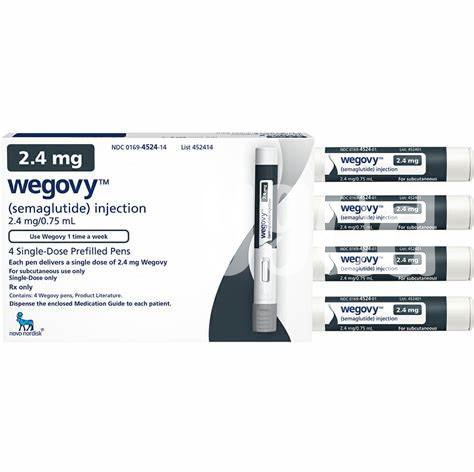
When I started on wegovy, my appetite dropped unpredictably, so I learned to anchor my day with regular meals and preplanned portions. Aim for three balanced meals and one or two small snacks, spacing eating roughly every three to four hours to stabilize blood sugar and energy.
Pre-portioning plates, using smaller dishes, and following a plate-fill approach—half vegetables, a quarter lean protein, a quarter whole grains—makes portions intuitive. Protein and fiber-rich choices increase fullness and preserve muscle during weight loss.
Time meals around workouts: eat a protein-rich snack 30–90 minutes before exercise and a recovery meal afterward. Track portions with a food diary or photo log, and adjust sizes if you feel faint or dizzy.
Focus on Nutrient-dense Foods and Adequate Protein
On wegovy, treat your plate as a toolbox: colorful vegetables, whole grains, and healthy fats provide vitamins and steady energy to match appetite shifts. Prioritize lean proteins like fish, poultry, legumes and Greek yogurt to preserve muscle, increase satiety when calories are lower, and support recovery and performance.
Choose snacks pairing protein and fiber—apple with nut butter or cottage cheese with berries, to curb energy dips. Consult a dietitian to set protein targets and tweak meals as medication effects evolve; small, consistent swaps improve strength, mood, and long-term adherence overall.
Managing Side Effects with Hydration and Gentle Remedies

When starting wegovy, side effects like nausea or lightheadedness can be unsettling, but targeted hydration often eases these reactions.
Sip small amounts of water throughout the day, include an oral rehydration solution if vomiting or diarrhea occurs, and prefer lukewarm beverages to avoid stomach shock.
Incorporate ginger tea, peppermint lozenges, or acupressure bands for nausea, eat bland snacks in small portions, and skip alcohol or heavy fried foods until tolerance improves.
Track symptoms, rest when needed, and contact your healthcare team if issues persist or worsen despite gentle measures promptly.
Safe Exercise Progression Balancing Strength Cardio Flexibility
Starting easy keeps momentum: begin with short walks, add light strength twice weekly, and stretch daily as energy allows. Listen to your body, especially on wegovy when appetite and stamina can shift; increase duration slowly to avoid setbacks and build confidence.
Balance strength, cardio, and flexibility each week, mixing harder sessions with gentle recovery. Track effort and rest, and consult your care team for tailored adjustments. Use measured progression and realistic goals.
| Week | Focus |
| 1-4 | Adaptation |
Monitoring Progress and Communicating with Healthcare Team
Imagine carrying a simple log that captures weight, meals, exercise, and any side effects; over weeks it becomes a map of what works. Regularly measure weight, blood pressure, and glucose if applicable, and note nausea, energy, or digestive changes. Use apps or a paper journal to spot patterns, so you can bring clear examples and photos to appointments rather than vague memories.
Be proactive in sharing that data with your prescriber and care team, bring records, ask about lab timing, and report persistent or severe symptoms promptly. Discuss dose adjustments, medication interactions, and plans for exercise or pregnancy if relevant. A collaborative, data-focused approach helps tailor treatment, improve safety, and keep momentum toward your goals.