


Skipping Priming and Shaking Leads to Ineffective Dose
On a tight morning, you shake less but still press the device, hoping for relief. Skipping the short pre-use steps can leave only propellant or uneven suspension in the mouthpiece, so the medicine reaching your lungs is reduced and unpredictable. That can mean weaker symptom relief and lost doses when you most need them.
Make priming and a vigorous shake part of the routine: follow the leaflet’s priming instructions (usually a small number of test sprays), shake for several seconds before each puff, and repeat priming after long gaps or when the canister is new. These simple steps restore consistent dosing, improve control, and protect against wasted medicine and may often reduce emergency inhaler use.
| Action | Benefit |
|---|---|
| Shake | Mixes suspension for an even dose |
| Prime | Verifies valve and correct output |
Poor Inhalation Coordination Reduces Medication Delivery

In a rush, you press and inhale without rhythm, and the spray sails past the throat. Timing matters; even small mismatches turn a trusted symbicort into a less effective mist.
In practice, coordinate actuation with a single deep, steady breath. Exhale fully first, then inhale slowly while pressing. Practice with empty canisters until the motion becomes automatic and reliable daily.
Missed coordination reduces lung deposition, increasing symptoms and rescue inhaler use. Consider a spacer to simplify timing, or ask a clinician for a demonstration to confirm dose reaches its target.
Not Exhaling Fully before Inhalation Lowers Dose
I used to steady the inhaler between my palms, but never noticed the small step I skipped. A gentle exhale sets the lungs ready to receive medicine efficiently.
Without a full out-breath, much of the breath space remains occupied and the delivered cloud of symbicort suspends in the throat instead of reaching airways.
Clinically, this lowers the amount of drug depositing where it’s needed, so symptoms may persist and rescue inhaler use increases. Practice deep exhalations between doses.
Try a slow, complete breath out without forcing — then seal lips around the mouthpiece and inhale steadily. Repeat until technique feels natural and relief becomes more reliable. If uncertain, ask a clinician to observe and coach you.
Using a Slow Weak Breath Reduces Effectiveness
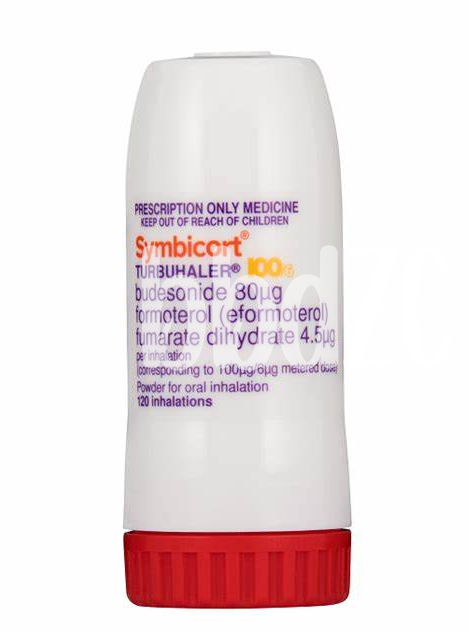
She held her symbicort carefully, hesitated, then breathed in like sipping tea — gentle and tentative. The medication barely reached beyond her throat, and relief didn’t follow; the act felt ritual rather than rescue. In practice, that timid inhale often leaves most of the drug stranded where it cannot open tight airways, making control take longer and increasing frustration for people who need fast, reliable delivery. Practice and simple coaching help.
Physically, a stronger, quicker breath creates airflow that carries tiny aerosol particles deep into the bronchi where they reduce inflammation and relax muscle. Too gentle an effort increases mouth and throat deposition and lowers lung dose, so symptoms persist. Practically, aim for a single confident inhalation lasting a few seconds, hold the breath briefly, then exhale slowly. If unsure, ask a clinician to observe and give feedback for tailored guidance.
Failing to Rinse Mouth after Use Risks Thrush
I remember a hurried morning when I took my dose, sprinted to work, and only later noticed an uncomfortable white film forming in my mouth.
That small change signaled a fungal overgrowth from leftover steroid residue; rinsing and spitting after inhaler use greatly reduces that risk and keeps oral tissues healthy.
| Action | Benefit |
|---|---|
| Rinse and spit after dose | Reduces oral fungal growth |
| Use water only | Simple, effective for symbicort users |
If soreness, white patches, or hoarseness develop, mention them to your clinician; gentle oral hygiene, consistent rinsing after each inhalation, and periodic mouth checks prevent complications and let you keep benefiting from inhaled therapy without the unpleasant consequences. Ask about steroid-sparing options and follow-up care.
Neglecting Device Cleaning and Dose Counter Checks
A patient once blamed surprisingly persistent symptoms, until inspection revealed a dirty mouthpiece and a dust-clogged mechanism significantly impairing daily spray delivery.
Regular cleaning keeps moving parts free of buildup and ensures each actuation contains the intended dose — simple daily maintenance prevents missed therapy.
Checking the dose counter regularly helps avoid surprise empty inhalers; marking refill dates early and noting remaining actuations keeps treatment continuous and safe.
Clinicians should teach the routine in everyday life, patients should record counts, and a quick inspection before travel saves anxiety and therapeutic gaps.