


How Strattera and Stimulants Work Differently
Some people describe stimulants like a light switch: focus floods in within hours, tasks become clearer. Others talk about atomoxetine as a slow sunrise — concentration builds over days to weeks, delivering steadier, longer-term improvement more steadily without the immediate jolt. These different rhythms shape daily life: quick relief can reboot a morning, while gradual change can reshape routines and expectations.
Biologically, stimulants increase dopamine and norepinephrine by blocking reuptake and boosting release, acting fast on cortical and striatal circuits. Atomoxetine selectively inhibits norepinephrine reuptake, modulating prefrontal attention networks more gradually and avoiding the dopamine spikes linked to euphoria and abuse. Clinicians choose based on symptom profile, onset needed, and risk tolerances, and consider comorbid anxiety, sleep and cardiovascular history, patient preference, and treatment goals.
| Mechanism | Typical onset |
|---|---|
| Stimulants: dopamine and norepinephrine | Hours |
| Atomoxetine: norepinephrine reuptake inhibition | Days to weeks |
Speedy Onset Versus Gradual Symptom Control
Morning changed for Maya when a stimulant cleared her fog within an hour; the sharp focus felt like flipping a switch. The burst can be ideal for exams or deadlines but may wear off unpredictably.
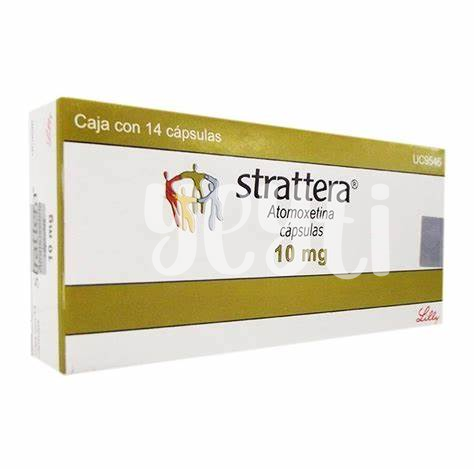
By contrast, strattera arrives more gently, building steadier attention across days and weeks rather than moments. It’s often chosen for steady symptom control, sleep-friendly dosing, and lower misuse risk.
Choosing between immediate clarity and gradual stability depends on lifestyle, side-effect tolerance and whether short-term tasks or lasting habits are a priority. Discuss goals with clinician.
Comparing Effectiveness Across Adhd Symptom Types
Patients describe inattentive symptoms easing over weeks, with improved focus and organization emerging steadily as treatment settles in over months for some.
Hyperactivity and impulsivity often show rapid improvement with stimulants, reducing fidgeting and interruptive behavior within hours to days in many clinical reports.
strattera may benefit executive function and anxiety-prone patients differently, offering steady gains where stimulants yield immediate but sometimes shorter-lived control over sustained periods.
Ultimately matching medication to dominant symptom type, tolerance, and lifestyle—alongside careful monitoring and dose trials—produces the best long-term functional outcomes for many patients.
Side Effects, Safety Profiles, and Health Risks
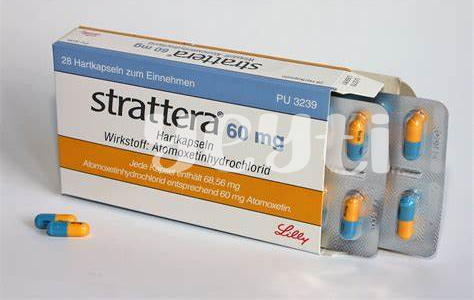
When choosing a medication, imagine a map of benefits and trade-offs: stimulants often produce predictable cardiovascular and appetite changes, while strattera has a slower, different hormonal and gastrointestinal profile. Patients describe clearer mornings with stimulants but steadier afternoons with atomoxetine, and clinicians watch blood pressure, mood, and liver markers.
Effects range from mild insomnia and jitteriness to more concerning increases in heart rate; rare psychiatric reactions such as heightened anxiety or mania need prompt attention. Strattera may cause nausea, fatigue, or, rarely, liver injury, so baseline screening and careful follow-up help detect problems early.
Decisions weigh personal history, age, cardiovascular status, and risk of substance misuse; families often balance quick symptom relief against long-term tolerability. Open dialogue with prescribers about goals, monitoring plans, and alternative strategies ensures safer, tailored care—because the best choice fits the whole person, not the diagnosis.
Dependency, Abuse Potential, and Long-term Outcomes
Imagine a person adjusting to life with attention struggles, weighing options between stimulant medications and nonstimulants like strattera. Stimulants often bring rapid symptom relief but carry higher misuse and tolerance concerns; nonstimulants have lower immediate appeal yet pose little addiction risk. Clinicians monitor heart rate, sleep, and appetite for all patients, and tailor plans to minimize harm while preserving benefit. Stories of steady progress with careful oversight are common.
Long-term studies suggest classroom performance and quality of life often improve under either strategy when matched to individual needs, though side-effect profiles differ. Regular review encourages dosage adjustments, behavioral supports, and periodic cardiovascular checks. For many, the greatest benefit arrives from combining medication with therapy, routines, and education. Open dialogue about goals, risks, and lifestyle ensures safer, sustainable gains rather than quick fixes. Longitudinal follow-up refines care and supports informed choices.
| Medication | Typical Abuse Risk | Monitoring Focus |
|---|---|---|
| Stimulants | Higher | Misuse, cardiovascular, sleep |
| Strattera | Low | Sleep, mood, liver function |
Choosing Treatment: Personal Factors and Practical Tips
When deciding between medications, imagine standing at a crossroads where symptoms, health history, and daily routines converge. Discuss comorbid conditions, current medications, and heart or blood pressure concerns with your clinician before choosing a path.
Consider lifestyle needs: if you require rapid focus for work or exams, stimulants may help quickly; if anxiety or substance risk exists, nonstimulant options offer steadier control. Balance symptom timing with safety and routine daily.
Start low and titrate slowly under medical supervision, tracking benefits and side effects in a log. Include caregivers or teachers for feedback. Regular follow-ups, blood pressure checks, and honest communication support long-term success and safety.
Engage in shared decision-making: weigh costs, insurance coverage, and the possibility of trying a monitored trial. Combine medication with behavioral strategies, sleep hygiene, and exercise. Expect adjustments and celebrate incremental gains along the way regularly.