


Immediate Aftermath: What Happens When You Stop
An abrupt stop can feel like stepping off a cliff: many notice hair loosening within weeks as miniaturized follicles respond to returning DHT. Some experience little change short-term, while others see increased shedding—this is often a temporary shedding phase reflecting hair already in the resting phase shifting toward shedding.
Expect hormonal shifts to stabilize over months; testosterone and DHT trends vary, and visible regrowth can lag. Track photos and consult your clinician if shedding persists beyond six months or you notice systemic symptoms, since personal recovery timelines may need intervention.
| Weeks | Typical change |
|---|---|
| 0–8 | Transient shedding |
| 12–24 | Stabilization/regrowth |
Understanding Hormonal Rebound and Dht Fluctuations
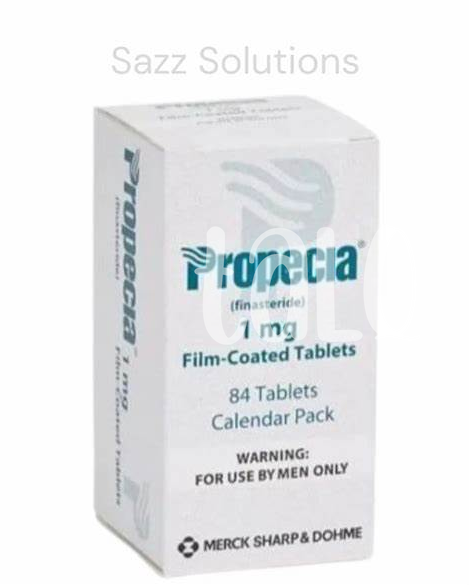
When you stop propecia, your body often reacts like a thermostat set back to factory: after months of suppressed DHT production, enzymes and follicles recalibrate. Patients describe a creeping awareness—slight scalp oiliness, increased shedding—signs that androgens are returning toward baseline. This rebound isn't instant; it's a biological negotiation between circulating hormones, tissue receptors, and hair follicle cycling.
Clinically, the timeline varies: some see changes within weeks, others months. Expect fluctuations in DHT and possible temporary acceleration of hair loss as follicles shift phases. Monitoring, patience, and targeted strategies can guide recovery—measuring hormonal levels, adjusting treatments, and supporting scalp health help interpret whether changes are transient or require intervention and setting realistic expectations for long-term outcomes.
Timeline of Shedding, Regrowth, and Hair Density
After stopping propecia many people notice a predictable sequence: an initial shedding phase as miniaturized follicles lose the drug’s protection, often occurring within two to six months. This can feel alarming, but it reflects follicles re-entering a natural hair cycle rather than immediate permanent loss. Some patients report more pronounced thinning for a short period; others barely notice changes. Understanding that hair doesn’t disappear overnight helps set expectations.
Regrowth typically begins subtly around six to nine months, with gradual improvement in thickness through the first year; full changes may take 12–18 months. Density recovery depends on baseline follicle health and how long balding progressed before treatment. Interventions like topical minoxidil, lifestyle optimization, and patience can improve outcomes, but realistic expectations matter: some lost hairs won’t return, while many former hairs regain size and strength over time with careful, regular follow‑up.
Managing Symptoms: Meds, Supplements, Lifestyle Changes
After stopping propecia, many describe a period of anxious shedding and scalp sensitivity; practical first steps are simple and evidence-backed. Topical minoxidil can blunt shedding and stimulate follicles, while topical finasteride or a clinician-guided low-dose oral alternative may suit some men. Non-pharmacologic options—low-level laser therapy, platelet-rich plasma, and regular scalp massage—support circulation and recovery, though results vary. Always discuss drug choices with a prescriber before restarting or switching.
Supplements such as biotin, vitamin D, iron and omega-3s help when deficiencies exist but are not miracle cures; saw palmetto shows limited evidence and should be considered cautiously. Lifestyle changes matter: prioritize sleep, stress reduction, balanced protein-rich nutrition, and avoid harsh styling or tight hairlines. Track progress with photos and follow-up blood tests to tailor therapy; if shedding persists past 6–12 months, seek specialist input. Early intervention often improves long-term outcomes noticeably.
When to Seek Help: Red Flags and Tests
You might feel anxious when shedding accelerates after stopping propecia; a short-lived spike is common, but persistent bald patches, severe scalp inflammation, or sudden libido changes justify earlier medical review.
Your clinician will ask history, perform scalp examination and may order blood tests: testosterone, free T, LH, FSH, thyroid panel, and possibly DHT or PSA depending on age and symptoms.
Seek specialist referral if hormonal abnormalities, persistent pain, or mood decline appear; document timelines, medication history including propecia use, and follow-up testing to map recovery and guide treatment choices safely.
| Red Flag | Suggested Test |
|---|---|
| Rapid shedding & pain | Scalp exam, CBC |
| Sexual dysfunction | Testosterone, LH/FSH |
| Persistent inflammation | Dermatology referral, biopsy |
Long-term Strategies: Prevention, Alternatives, Realistic Expectations
After stopping treatment, build a long-game routine: nourish scalp with gentle cleansing, treat inflammation, prioritize sleep and protein, and control metabolic drivers like weight and insulin. Early detection of active shedding and prompt reintroduction of effective options often prevents permanent loss; prevention is largely about consistency, not quick fixes.
Alternatives include topical minoxidil, which stimulates follicles, low‑level laser therapy, platelet-rich plasma injections, and surgical transplantation for established thinning. Hormone-targeted approaches such as finasteride or dutasteride should be discussed with a clinician; they have benefits but also risks. Consider combining therapies for better outcomes.
Set realistic timelines: visible improvement often takes 3–6 months and meaningful density can take a year or more. Maintenance is usually lifelong. Track progress with photos and scalp exams, manage expectations, and seek psychological support if anxiety about appearance impairs function — realistic planning improves overall adherence.