


What Keflex Is and How It Works
A familiar prescription for skin and respiratory infections, cephalexin is an oral antibiotic often chosen for uncomplicated cellulitis, ear infections and some urinary tract infections. Patients commonly appreciate its straightforward dosing and relatively low side-effect profile, but like any antibiotic it targets bacteria, not viruses.
It kills susceptible bacteria by disrupting cell wall assembly, binding penicillin-binding proteins weakens peptidoglycan layers so cells lyse. Typically bactericidal, its spectrum favors gram-positives and some gram-negatives. Complete the prescribed course, report severe diarrhea or allergic reactions, and consult your clinician promptly for dosing adjustments.
| Use | Quick note |
|---|---|
| Skin infections | Effective for many cellulitis cases |
| UTIs & respiratory | Useful for select uncomplicated infections |
Does Alcohol Interact Directly with Keflex
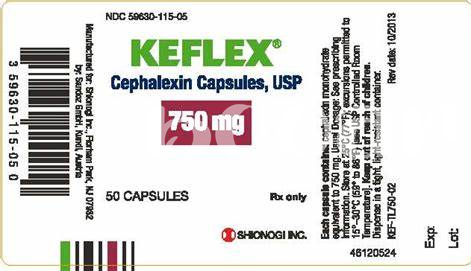
A quick story: after a sprained finger and a clinic visit, I was prescribed keflex and pondered whether social drinking mattered. So I stayed sober that entire night.
Good news: there’s no major chemical clash between most antibiotics in the cephalosporin family and ethanol, so the drug’s ability to fight infection isn’t directly blocked by alcohol. Though exceptions exist.
Still, mixing drinks can amplify common side effects like dizziness, stomach upset, and sleep disruption, which makes recovery slower and less comfortable, and it can worsen sleep.
For safety, follow your prescriber’s advice, limit alcohol while you’re symptomatic, and call your clinician if you notice severe reactions or worsening symptoms. Your pharmacist can give tailored guidance.
Side Effects That Could Be Worse with Alcohol
When you’re prescribed keflex for an infection, the last thing you want is to slow recovery by adding alcohol. A casual drink may seem harmless, but alcohol can amplify common antibiotic side effects, leaving you feeling rougher than necessary while your body fights bacteria.
Alcohol commonly worsens gastrointestinal symptoms: nausea, vomiting, stomach pain and diarrhea become harder to tolerate and can interfere with taking doses on schedule. It can also increase dizziness, drowsiness and impaired coordination, making activities like driving unsafe. Rarely, heavy drinking can stress the liver or kidneys already taxed during an infection.
Because symptoms overlap, it’s wise to avoid alcohol until you finish treatment and feel better. If you notice severe dizziness, persistent vomiting, yellowing skin, or unusually intense reactions after drinking, contact your prescriber promptly today. Don’t assume mild symptoms are harmless; better safe than sorry.
Timing Advice How Long to Wait after Keflex
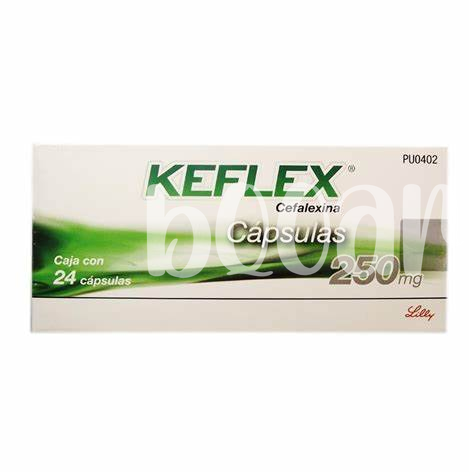
You might be tempted to celebrate the end of antibiotics with a drink, but when you're on keflex it's wise to be cautious.
Although cephalexin doesn't usually interact directly with alcohol, many clinicians recommend avoiding alcohol during treatment and for at least 48 hours after the last dose to reduce the chance of increased side effects such as nausea or dizziness.
If symptoms persist, or you're taking other medications, consider waiting longer; kidney clearance handles most of the drug, but alcohol can impair judgment and slow recovery.
When unsure, contact your prescriber, avoid heavy drinking while ill, and seek medical help for severe vomiting, fainting, rash, or signs that the infection is worsening right away.
Special Populations Pregnancy Liver Disease Elderly Considerations
For pregnant people, antibiotics like keflex are sometimes necessary; your clinician will weigh benefits and risks. Studies suggest cephalexin is generally considered low risk in pregnancy, but avoid self medicating and discuss timing and dose.
If you have liver disease, alcohol and certain drugs can add strain. Even though keflex is mainly cleared by kidneys, impaired liver function may change overall tolerance—so err on the side of caution and follow medical guidance.
In older adults, metabolism and hydration differ; side effects such as dizziness, confusion, or decreased balance can be magnified by alcohol. Caregivers should monitor adherence and side effects closely.
Contact your prescriber.
| Group | Advice |
|---|---|
| Pregnancy | Ask OB |
| Liver | Avoid alcohol |
| Elderly | Monitor closely |
Practical Tips and When to Contact Your Doctor
Follow the prescription exactly, take doses at the same times each day, and avoid drinking until you feel well. Keep hydrated, rest, and use nonprescription remedies for mild nausea or heartburn after checking with a pharmacist. Simple measures reduce discomfort and help antibiotics work.
If you want to drink, wait until the full course is completed and symptoms have resolved; ask your clinician if you have liver issues or complex medications. Combining alcohol can increase risk of stomach upset, dizziness, and may lower treatment effectiveness in some cases.
Contact your doctor immediately for high fever, severe rash or breathing trouble, persistent vomiting or bloody diarrhea, yellowing skin, fainting, or sudden intense weakness or confusion today.