


Common Misconception: Imodium Causes Instant Addiction
I once reached for Imodium after a messy meal, unsettled and afraid I'd be hooked. That worry is common: people equate symptom relief with instant addiction. In reality, loperamide, the active ingredient, acts mainly on gut receptors to slow transit and reduce diarrhea. When used as directed, it does not produce the central euphoria typical of addictive opioids, so immediate habit formation is unlikely.
That does not mean unlimited use is safe. Abusing high doses can cause serious cardiac problems and reflects misuse, not ordinary dependence. Chronic gastrointestinal complaints need evaluation rather than self-treatment. Follow label dosing, consult a clinician for symptoms, and reserve Imodium for short term relief. Understanding how it works turns fear into informed caution, letting people use it effectively without anxiety. If you have dependency concerns, discuss them openly; there are safe alternatives and support available.
| Myth | Fact |
|---|---|
| Instant addiction | Loperamide works peripherally; addiction risk is low when used as directed |
Loperamide Overdose Myth Versus Real Risk
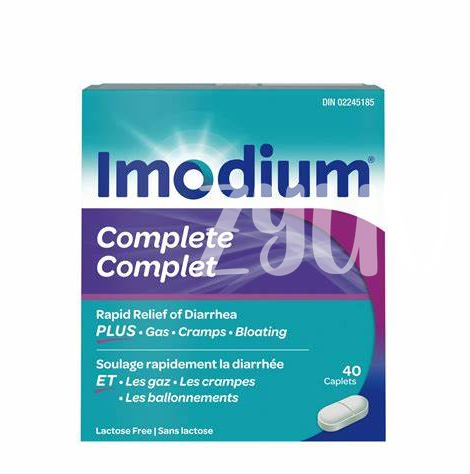
A friend once swallowed a fistful of pills in panic. That fear sparks questions.
Rumors claim imodium is a gateway to addiction, but typical doses act only on gut opioid receptors and rarely cause dependence. Evidence shows therapeutic use is safe for most adults.
However, taking massive amounts can produce cardiac and neurological hazards; such abuse is dangerous, not merely mythical. Emergency care can reverse many effects promptly.
Use imodium as directed, seek medical help for overdose symptoms, and understand that risk increases with misuse or mixing with other substances.
Can Imodium Cure Traveler’s Diarrhea Permanently?
I once treated a bout of travel sickness with imodium and felt immediate relief, but relief doesn't mean cure for underlying infection.
Imodium slows gut movement, easing symptoms while the body fights pathogens; it doesn't eliminate bacteria, viruses, or parasites or prevent recurrence later.
For sustained recovery, hydration and diagnosis matter — stool tests or antibiotics target causes when indicated, and probiotics help restore flora in recovery.
If symptoms persist beyond a few days, bloody stools, high fever, or severe dehydration appear, see a doctor; imodium is for temporary relief.
Safe Use during Pregnancy: What Science Says
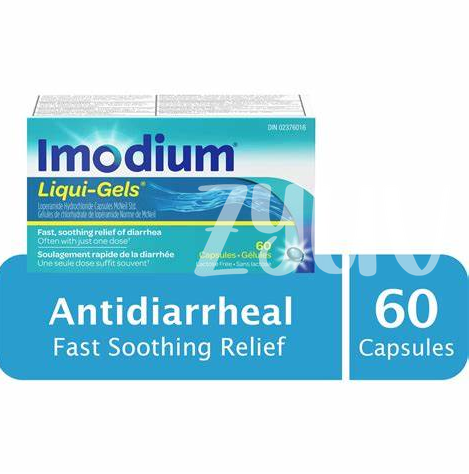
When Emma faced sudden diarrhea in her second trimester, she reached for imodium, paused, and wondered if it was safe. Studies show loperamide has minimal systemic absorption, and short term use at recommended doses rarely harms pregnancy, but evidence is limited.
Doctors emphasize hydration and identifying the cause: viral gastroenteritis, foodborne illness, or medication side effects. Antidiarrheals can ease symptoms, yet they should not replace evaluation when fever, blood in stool, or prolonged vomiting occur. Your obstetrician can advise whether single dose loperamide is appropriate.
As with many pregnancy decisions, balance matters, avoid high doses or repeated courses and report any concerns. If dehydration is severe, seek urgent care. Simple measures like oral rehydration, rest, and dietary adjustments often protect mother and baby while clinicians guide safe use. Always list over the counter medicines and supplements at prenatal visits regularly.
Combining Imodium with Other Medicines: Hidden Dangers
A quick story: while traveling I reached for imodium and then a friend warned about dangerous mixes. That simple moment reveals how easy interactions are overlooked.
Certain antidepressants, antifungals, cardiac drugs and some antibiotics can amplify side effects or cause heart rhythm problems when paired with loperamide. Older adults and liver patients face higher risk.
| Drug | Concern |
|---|---|
| SSRIs | QT prolong |
| Macrolides | Arrhythmia |
| Antipsychotics | Sedation |
Always tell your pharmacist or doctor about all medicines and supplements; avoid mixing without advice, and stop imodium if you develop palpitations or severe dizziness.
When to See a Doctor Instead of Self-medicating
You start with a stubborn stomach and a familiar pill, but some signals demand more than self-care. If diarrhea lasts beyond 48 hours, carries blood, is accompanied by high fever, severe abdominal pain, or signs of dehydration, seek medical evaluation promptly rather than relying on over-the-counter fixes.
Infants, the elderly, pregnant people, and those with weakened immune systems should consult a clinician sooner. Also see a doctor after antibiotic use, travel abroad, or when OTC meds may interact with heart or prescription drugs; testing prevents complications and guides targeted treatment.