


Recognizing Early Warning Signs before Blood Sugar Drops
I noticed a subtle tremor and sudden lightheadedness while sitting at my desk — early signals that sweetness might be slipping away. Paying attention turns vague unease into actionable alerts.
Shortness of breath, blurred thinking, warmth or paleness, and unexpected hunger often precede measurable drops. These clues let you test glucose or eat a quick carb before levels plunge.
Keeping a log of mood swings, odd sensations, or repeated symptoms helps you and your clinician connect patterns to timing and dosage, preventing dangerous declines.
| Sign | Action |
|---|---|
| tingling sensation | check blood sugar |
Common Symptoms That Signal Dangerous Low Blood Sugar

A sudden fog descends: palms sweaty, hands trembling, and a heartbeat sprinting. Patients on glucotrol xl often describe this abrupt change as the first hint of trouble, especially if it follows skipping a meal.
Other common signs include confusion, dizziness, blurred vision, slurred speech, abrupt weakness and intense hunger. Mood shifts like irritability and sudden sweating often accompany these warning signals.
Recognizing patterns — frequent nighttime sweating or recurring episodes after exercise or missed meals — helps patients and clinicians adjust dosing, prevent dangerous recurrences, and seek prompt care immediately.
Who’s Most at Risk: Personal Risk Factors Explained
Imagine reaching for your keys and suddenly feeling dizzy, sweaty and confused — those moments are often not random but tied to specific risk factors. Older adults, people with long-standing diabetes, impaired kidney or liver function, low body weight, irregular meals, heavy alcohol use, and very tight glucose targets all raise the chance of severe lows. Taking sulfonylureas such as glucotrol xl or combining multiple glucose-lowering drugs, exercising intensely without extra carbs, or having hypoglycemia unawareness increases vulnerability further.
Social and cognitive issues — living alone, memory loss, or poor vision — can delay treatment and worsen episodes. Protect yourself: review meds with your clinician, monitor glucose more often if at risk, carry carbs, and wear medical ID.
Timing Dangers: When Medication Raises Low Sugar Risk
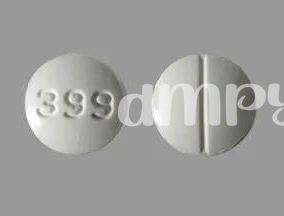
One morning after taking glucotrol xl, Ana felt a creeping lightheadedness that transformed her day. Extended release pills can surprise you; their blood sugar lowering effect builds slowly, so skipping a meal or exercising hours later can coincide with the drug's peak and trigger a sudden crash.
Timing matters: peaks often occur several hours after dosing, and overlapping doses or late night ingestion increase risk. Alcohol, delayed meals, and unusually vigorous activity raise glucose needs, while slower clearance in older adults or people with kidney problems prolongs hypoglycemic vulnerability.
Reduce danger by aligning doses to consistent meals, checking glucose before exercise or sleep, avoiding alcohol on an empty stomach, and discussing dose timing with your clinician. Knowing when the medication is most active helps turn sudden drops into manageable events. Carry fast acting carbs and give instructions to close contacts.
Immediate Steps to Take during a Low Episode
A sudden wave of sweating, weakness, or confusion calls for quick action. If you can, measure your blood glucose to confirm the drop and avoid guessing. Act calmly and deliberately.
Consume fifteen to twenty grams of fast-acting carbohydrate: glucose tablets, juice, or regular soda. Sit down and rest while the sugar works; avoid fatty foods that slow absorption.
Recheck levels after fifteen minutes. If still low, repeat the fifteen-gram rule. Once recovered, eat a small snack combining carbohydrate and protein to stabilize levels, especially if you take glucotrol xl.
If symptoms worsen, become disoriented, or don’t improve after repeated treatment, call emergency services. Keep a glucagon kit handy and inform companions about what to do.
| Step | Action |
|---|---|
| 1 | Check or treat |
Preventive Habits to Avoid Future Blood Sugar Crashes
When I missed a snack mid-shift I learned an important lesson: routine matters. Eating balanced meals every four to six hours, with protein and fiber, steadies glucose and reduces surprise drops between doses of medication.
Carry fast-acting carbs like glucose tablets or juice and check levels often. Adjusting medications with a clinician and learning patterns from frequent monitoring helps prevent lows before they become emergencies and protects overall health safely.
Exercise can lower glucose for hours; pairing activity with a snack or lowering medication before prolonged workouts reduces risk. Limit alcohol and sleep deprived nights, both of which blunt warning symptoms and increase vulnerability significantly.
Create an action plan with family and employers: name it, store emergency numbers, and wear medical ID. Practice treating mild lows so response is automatic — prevention combines preparation, communication and steady self-care for long-term safety.