


Herbal Remedies That Soothe Tight Muscles Naturally
A warm cup of chamomile tea can feel like a friend when your neck knots up; its antispasmodic properties ease tightness while the ritual calms the nervous system.
Topical arnica and peppermint oil offer quick, targeted relief — arnica reduces inflammation, peppermint produces cooling analgesia. Ginger and turmeric, taken as tea or supplement, reduce systemic inflammation over time.
Always dilute essential oils, patch‑test new topicals, and consult a clinician if symptoms persist or worsen; herbs complement, not replace, medical care. Small, consistent steps with nature’s helpers often unlock lasting ease.
| Herb | Benefit |
|---|---|
| Arnica | Topical inflammation relief |
| Chamomile | Antispasmodic, calming |
Stretching Routines to Release Muscle Tension Fast
After a long day at the desk, I slipped into a five-minute routine that felt like unlocking tight knots along my spine and hips. Each movement was deliberate, blending gentle mobility with slow static holds so the body could reset without pain.
Start with cat-cow and hip circles to increase range, then hold a hamstring stretch and a chest opener for 30 to 60 seconds. Breathe steadily, avoid bouncing, and aim for mild tension rather than sharp pain. Repeat sequences twice daily to accelerate release.
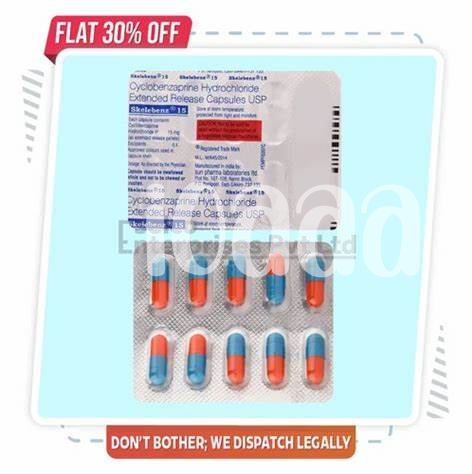
Though you may have used flexeril in the past, track progress, reduce reliance, and see a clinician if tightness lasts over two weeks or if numbness, weakness, or fever occur.
Heat, Cold, and Contrast Therapy Explained Simply
I remember a weekend when a cramp stole my mobility; a warm pack loosened the knot while a cold wrap dulled the ache. Simple temperature tools mimic some effects people seek from flexeril without drugs: heat relaxes tight fibers, cold reduces swelling and numbs sharp pain.
Use heat for chronic stiffness: 15 to 20 minutes with moist heat before movement to increase blood flow. Use cold for recent injury or sharp inflammation—apply 10 to 15 minutes to limit tissue damage. Contrast therapy alternates hot and cold in 3 to 5 minute cycles to boost circulation and speed recovery.
Practical tips: avoid heat on numb skin or open wounds, and skip cold on sensitive skin. Use treatments twice daily, combine with gentle stretching, and stop if pain worsens. If you're on medications like flexeril or have circulatory issues, check with clinician.
Mind-body Techniques for Chronic Muscle Pain Relief
She began with breathing, sitting quietly each morning and noticing how tension eased as breaths lengthened and small movements followed, proving gentle awareness can change how muscles feel.
Progressive relaxation and guided imagery offered tools she could use anytime; research shows these practices reduce perceived pain intensity and lower muscle guarding without resort to drugs like flexeril.
Slow, mindful movement—yoga or tai chi—retrained patterns of holding, improved posture, and promoted circulation; consistency matters, with small daily sessions producing measurable gains over weeks and reducing stress reactivity.
Combining practices with sleep hygiene, hydration, and communication with a therapist created a more durable plan she could follow, shifting reliance away from quick fixes toward lasting coping skills.
Top Nutrients and Supplements Backed by Research
After months of chasing relief I learned that small dietary shifts make a big difference: magnesium helps muscle relaxation and sleep, omega‑3s reduce inflammation, and vitamin D supports neuromuscular function. Trials suggest turmeric (curcumin) can ease pain modestly, while B vitamins aid nerve health. These aren’t overnight fixes like flexeril, but combining nutrients with movement builds durable improvement.
Start with dietary sources first: leafy greens, fatty fish, nuts and whole grains cover many needs, then consider high-quality supplements tested for purity. Typical supportive doses used in studies include 200–400 mg magnesium, 1–3 g omega‑3s, and 500–2,000 IU vitamin D depending on baseline levels. Talk to a clinician before adding concentrates, especially if you take prescriptions, to avoid interactions and personalize timing and dose for safer, sustained relief. Choose third party tested brands and follow label directions.
| Supplement | Benefit |
|---|---|
| Magnesium | Relaxation |
When to Seek Medical Advice Versus Self-care
You can often ease muscle soreness with rest, gentle stretches, heat or cold, and breathing — small actions that feel empowering when pain threatens your routine. Start, track patterns, and give home strategies a trial before escalating.
Seek attention if pain follows injury, causes numbness or weakness, worsens despite home care, is accompanied by fever, or limits walking and tasks; get urgent care for sudden severe pain, loss of bowel or bladder control, or signs of infection.
A clinician may order tests, recommend physical therapy or targeted medications, and advise safe activity timelines. If pain persists beyond several weeks or function declines, request a specialist. Combining proactive self-care with timely professional input improves overall recovery chances.