


Identify Common Atarax Side Effects Quickly
When I started Atarax I noticed immediate drowsiness and a dry mouth. Recognizing sleepiness, mild headache, or blurred vision early lets you stop risky tasks, record timing, and tell your clinician at the next visit.
Less common reactions include nausea, constipation, urinary hesitancy, and tremor. Note if mood shifts, confusion, or allergic signs like rash and swelling appear. Timely documentation of onset, severity, and circumstances helps your provider identify causes.
If dizziness or unsteady balance occurs, take immediate precautions: sit or lie down, avoid stairs, ask for help. For dry mouth, chew sugar-free gum or sip water, and postpone tasks requiring sharp focus until recovered.
Keep a log noting time, dose, symptom duration, and triggers to share with your clinician. Contact them if symptoms worsen or persist. Seek emergency care for severe breathing problems, high fever, fainting, or spreading rash.
| Symptom | Quick action |
|---|---|
| Drowsiness | Avoid driving; rest |
| Dry mouth | Sip water; sugar-free gum |
| Dizziness | Sit/lie down; get assistance |
Timing and Dosing Strategies to Reduce Symptoms
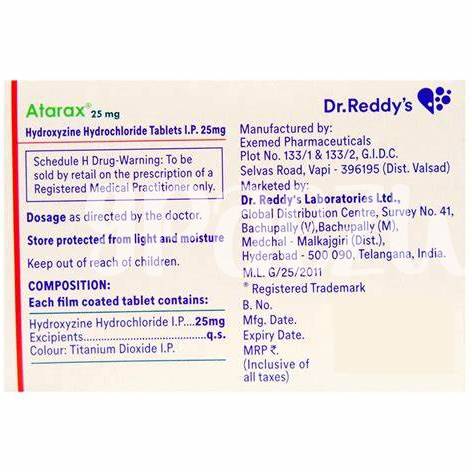
Small timing changes can change the day: taking atarax in the evening keeps daytime fog at bay. Begin with the lowest prescribed dose and schedule doses around sleep or predictable symptom windows. Spacing doses evenly helps steady blood levels and reduces peaks that cause drowsiness.
Splitting a daily amount into smaller doses can blunt side effect peaks, but never double up after a missed dose; call your clinician instead. Older adults are more sensitive, so clinicians often recommend lower or less frequent dosing. Avoid driving for hours after a new dose to gauge your response.
Pair dosing with daily routines—meals, bedtime, or medication times—to make adjustments predictable. Keep a brief symptom log to spot patterns between dose timing and effects. If sedation, dry mouth or confusion continue, contact your prescriber promptly; they may lower your dose or suggest an alternative.
Lifestyle Adjustments to Counter Sedation and Dizziness
When I started atarax, foggy mornings felt heavy; I learned to pace tasks, use bright light on waking, and schedule demanding work later to reduce accidents and frustration safely too.
Short breaks with simple balance exercises, like heel-to-toe walks and seated leg lifts, rebuild confidence. Hydration and standing slowly after sitting cut dizziness and fainting risk regularly throughout the day.
Before driving or operating machines, test your response at home; ask friends to assist early on. Gradual routine changes, night lights, and written reminders ease adaptation and safety over time.
Safe Use with Alcohol and Other Medications

When I first started atarax, I learned quickly that a quiet drink can turn into dangerous drowsiness. Even small amounts of alcohol amplify sedation and slow reactions; avoid drinking when you plan to drive or operate machinery. Tell your prescriber about your drinking habits and plan dosing at times when supervision or rest is possible to reduce risk.
Other drugs can interact—especially opioids, benzodiazepines, MAO inhibitors and some antidepressants—raising sedation or breathing risks. Always give pharmacists a full medicine and supplement list, including herbal products. Learn warning signs such as unusual confusion, shallow breathing or fainting, and stop the medicine and get urgent care if they appear. Regular medication reviews help prevent surprises with providers.
Hydration, Nutrition, and Sleep Tips for Recovery
When recovering from medication side effects, sip water steadily to ease dry mouth and help your body process atarax. Small, frequent sips beat large volumes at once; oral rehydration helps restore electrolytes after sweating.
Choose balanced meals with lean protein, whole grains and vegetables; these stabilize blood sugar and reduce lightheadedness. Avoid heavy greasy dishes that worsen nausea and favor bland snacks when appetite is low.
Prioritize sleep by keeping a calm bedtime routine: dim lights, limit screens, and time meds to avoid peak daytime drowsiness. Short naps can help, but keep them under thirty minutes to preserve nighttime sleep.
If symptoms persist despite these measures, contact your clinician; adjustments to dose or timing may be needed. Track fluids, meals and sleep in a simple log to report patterns during follow up.
| Tip | Benefit |
|---|---|
| Water | Prevents dehydration |
| Protein | Stabilizes energy |
When to Seek Medical Help for Side Effects
I remember the first night my heart raced after taking Atarax; unfamiliar symptoms made me call my doctor. Recognizing red flags — chest pain, sudden shortness of breath, severe confusion — matters.
Mild drowsiness or dry mouth pass, but worsening dizziness, high fever, or persistent vomiting should prompt contact with a clinician. Describe timing, dose, and other drugs to help assessment.
If you notice allergic reactions like rash, swelling of face or throat, or difficulty breathing, seek emergency care immediately. Trust your instincts if something feels markedly wrong.
Keep a record of symptoms, doses, and any substance use to share with healthcare providers. Prompt reporting reduces risk and helps determine whether treatment should be adjusted or stopped.